
When the Strait of Hormuz becomes a variable, a 4-week lead item becomes a 10-week question mark. Most contractors in the UAE don’t find out from their system. They find out when the site goes idle.
The delay didn’t start on the day the material failed to arrive. It started weeks earlier, when a change in the supply chain went unregistered because procurement, planning, and site were each working from a different source of truth. The material request had been approved. The PO was issued. The vendor had confirmed delivery. But the site engineer was working off a WhatsApp thread, the procurement manager was checking a spreadsheet, and the planner’s look-ahead had the activity starting Tuesday. Nobody was wrong. The information just lived in three places that never talked to each other.
That is what a procurement breakdown actually looks like. Not a missing signature or a rogue vendor. A process that works fine under normal conditions and fails the moment conditions change.
Most contractors manage procurement across a combination of tools that were never designed to work together. Material requests raised on site via WhatsApp or email. Purchase orders tracked in a spreadsheet maintained by one person. A planning tool that shows activity schedules but has no visibility into material readiness. And a finance system that only gets involved once an invoice arrives.
Each of these tools does its job in isolation. The problem is the space between them. A PO can be issued and confirmed while the site team has no idea the delivery window has shifted. A vendor can reconfirm dispatch while the planner is still scheduling around the original lead time. By the time the gap surfaces, it is already a site problem, not a procurement problem, and the options for recovery are expensive.
This architecture works until it doesn’t. And right now, it is being tested harder than it has been in years.
Three days of idle labor on a live site is not a scheduling inconvenience. On a mid-size project in Dubai, that is a direct cost that compounds quickly once subcontractors start claiming for standing time, replanning burns project management hours, and downstream activities shift in a cascade that takes weeks to reabsorb.
The less visible cost is decision quality. When a project manager is working from procurement data that is a week old, every resourcing and sequencing decision they make is slightly miscalibrated. Across multiple active projects, that compounding effect on margin is significant and almost impossible to attribute accurately after the fact.
UAE contractors operating under FIDIC contracts carry additional exposure. Delays attributable to procurement failures rarely qualify for extension of time claims. The cost stays with the contractor.
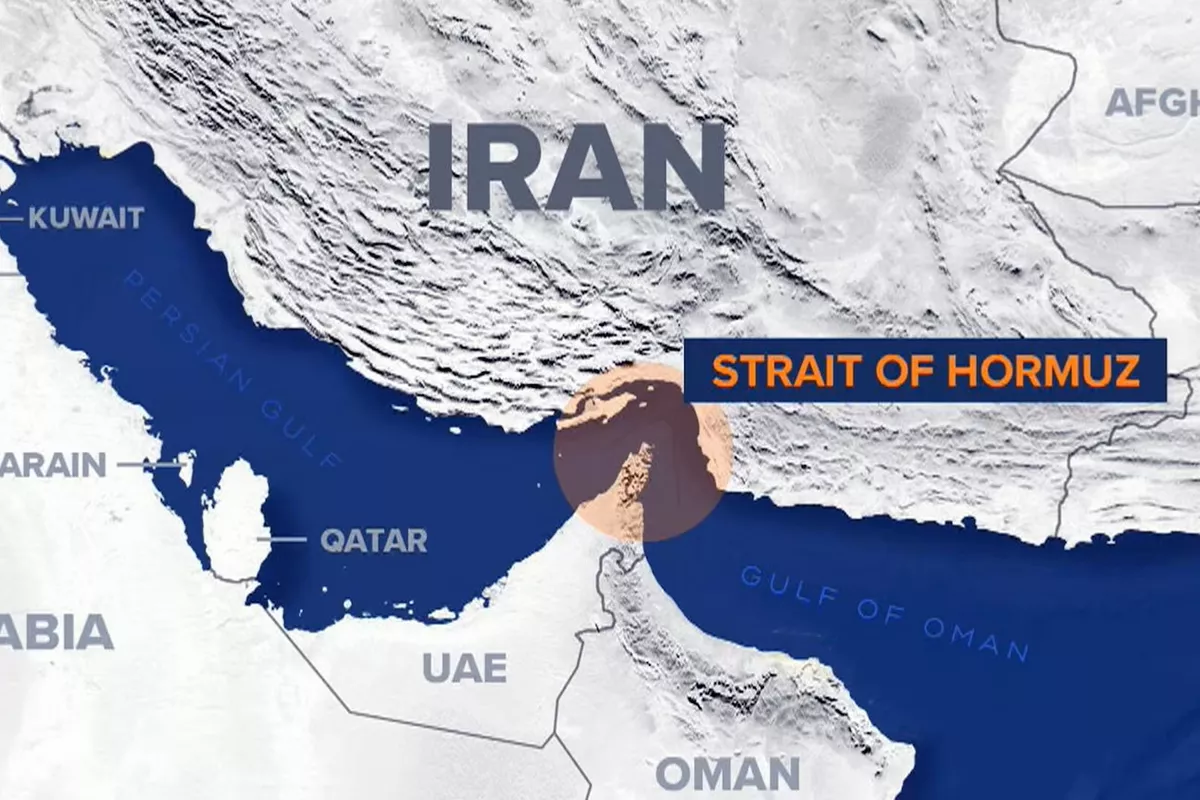
The Strait of Hormuz disruption has introduced a level of unpredictability into Gulf construction supply chains that most procurement processes were not designed to absorb. Construction Week reported that Jebel Ali, the region’s largest container hub and the primary entry point for construction materials across the GCC, faces direct exposure to the chokepoint, with steel, glass, aluminium, and prefabricated components all moving through the same narrow passage. For contractors sourcing materials from China, India, or Europe, the lead time assumptions built into their programmes are no longer reliable.
The contractors absorbing the most damage in this environment are not necessarily the ones with the most complex supply chains. They are the ones whose procurement process has no mechanism for catching a change before it reaches the site. When a vendor rebooking a shipment mid-route triggers no alert, when a revised delivery date sits in an email thread nobody monitors, the delay is already locked in before anyone on the project team knows to act.
Closing this gap does not require a procurement overhaul. It requires one thing: a single system where material requests, purchase orders, delivery confirmations, and the construction programme all live together and update in real time. When procurement data and planning data share the same environment, a shift in a lead time surfaces as a flag, not a site stoppage.
This is what construction ERP is built to do. Mismar works with contractors across UAE and KSA to connect site, procurement, and back office into one operational picture. If your procurement process is still running across three systems that don’t talk to each other, let’s get on a call.
Start growing with Mismar today.